Agentic AI UPCOMING
▼I am exploring mechanical-domain AI agent systems that automate engineering workflows for design exploration, physics-consistent analysis, and condition-based decision-making.
Physics-Informed Machine Learning (PIML)
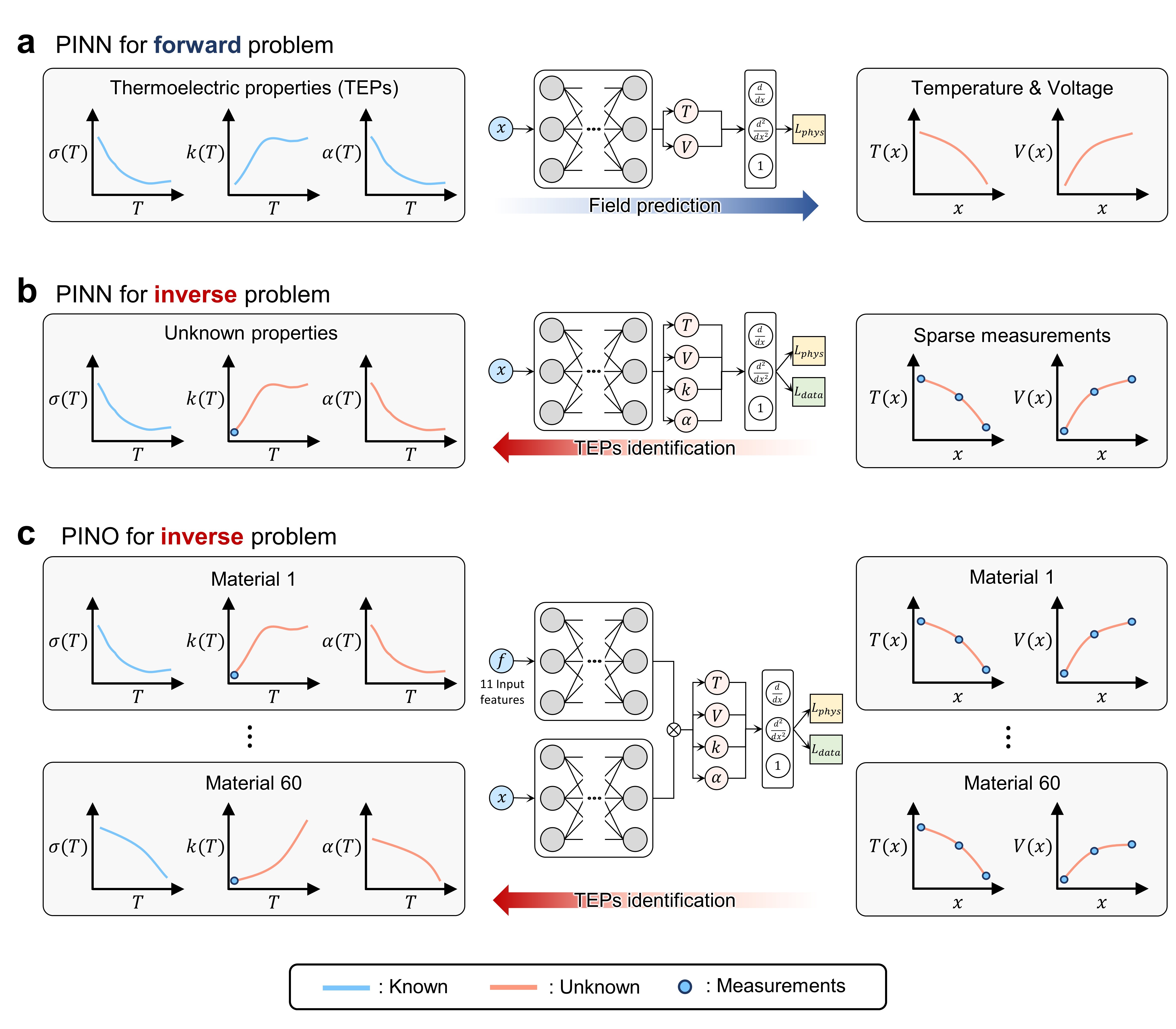
▼Traditional finite element methods (FEM) for thermo-mechanical analysis often suffer from high computational costs, especially in inverse design scenarios. My research focuses on integrating physical laws directly into neural network architectures to create fast, reliable, and physics-consistent surrogate models. This includes applying Physics-Informed Neural Networks (PINNs) and neural operators for forward and inverse analysis of mechanical systems.
Design Optimization
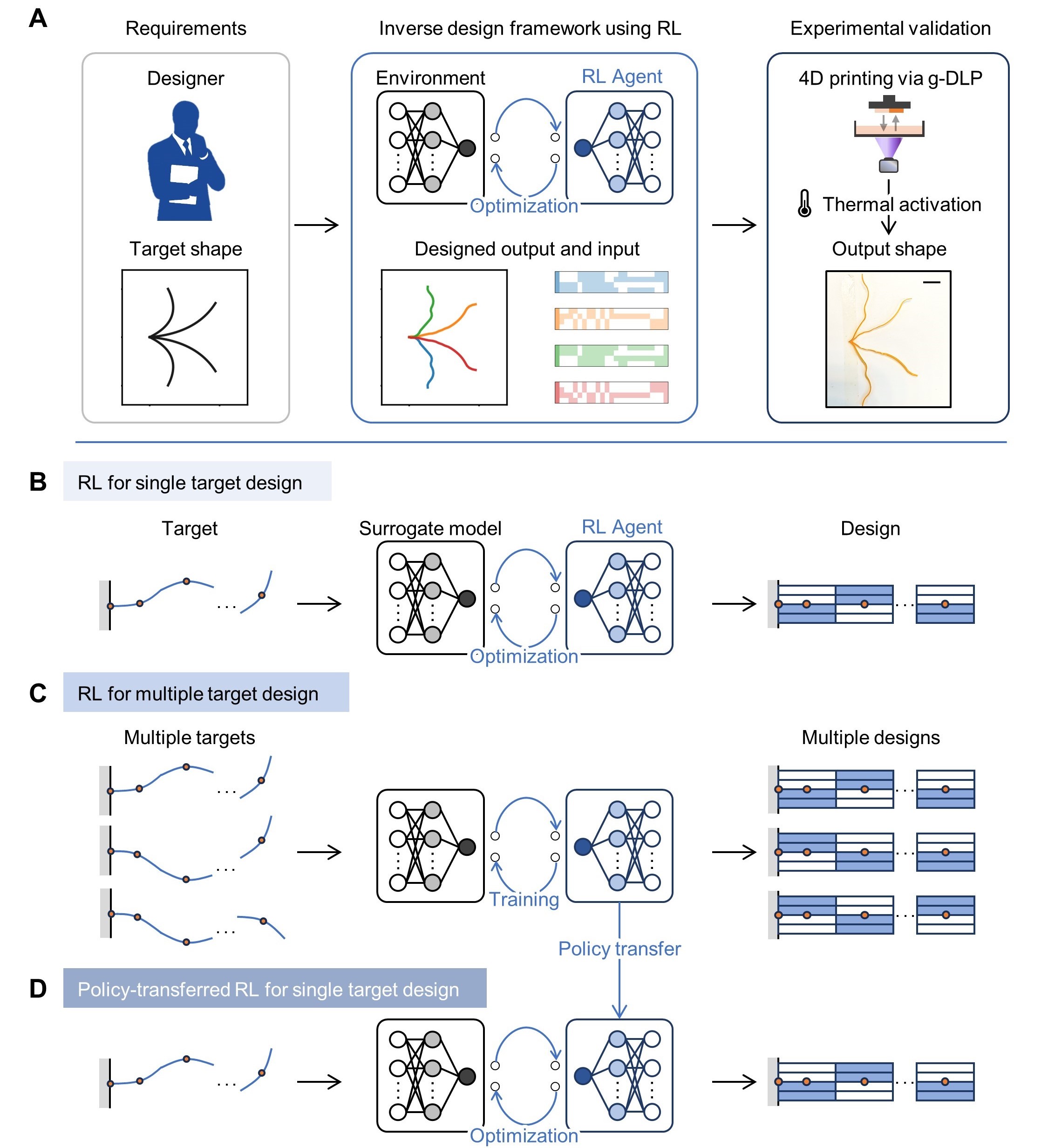
▼I develop data-efficient methodologies to optimize mechanical designs and manufacturing processes. By utilizing reinforcement learning and surrogate models, we can inversely design complex structures, such as programmable mechanical structures and temperature-responsive 4D printed composites, for specific target performances. My work also explores autonomous mechanical-domain AI agent systems that orchestrate design exploration and physics-consistent decision making.
Data-driven AI for Industrial Application
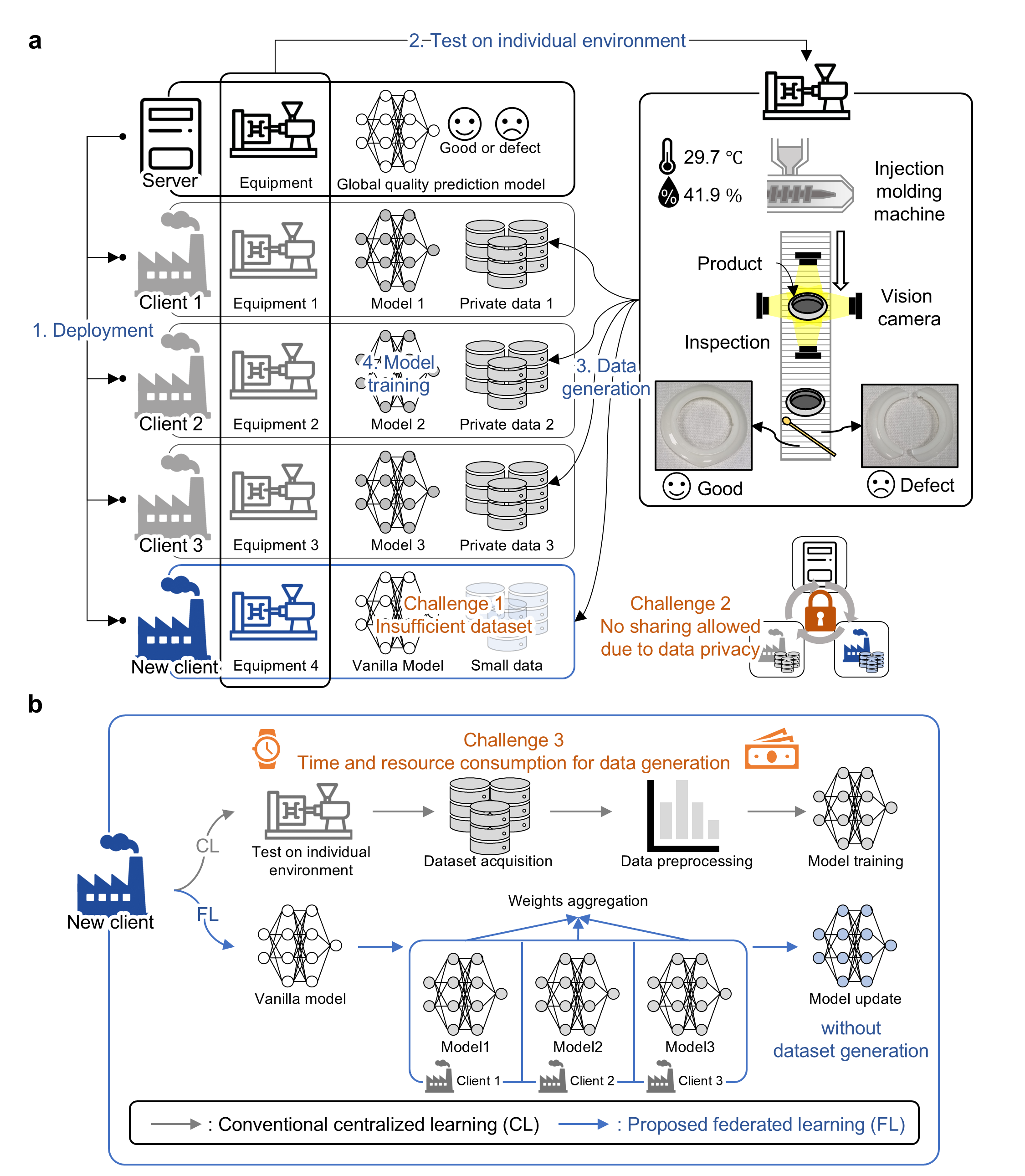
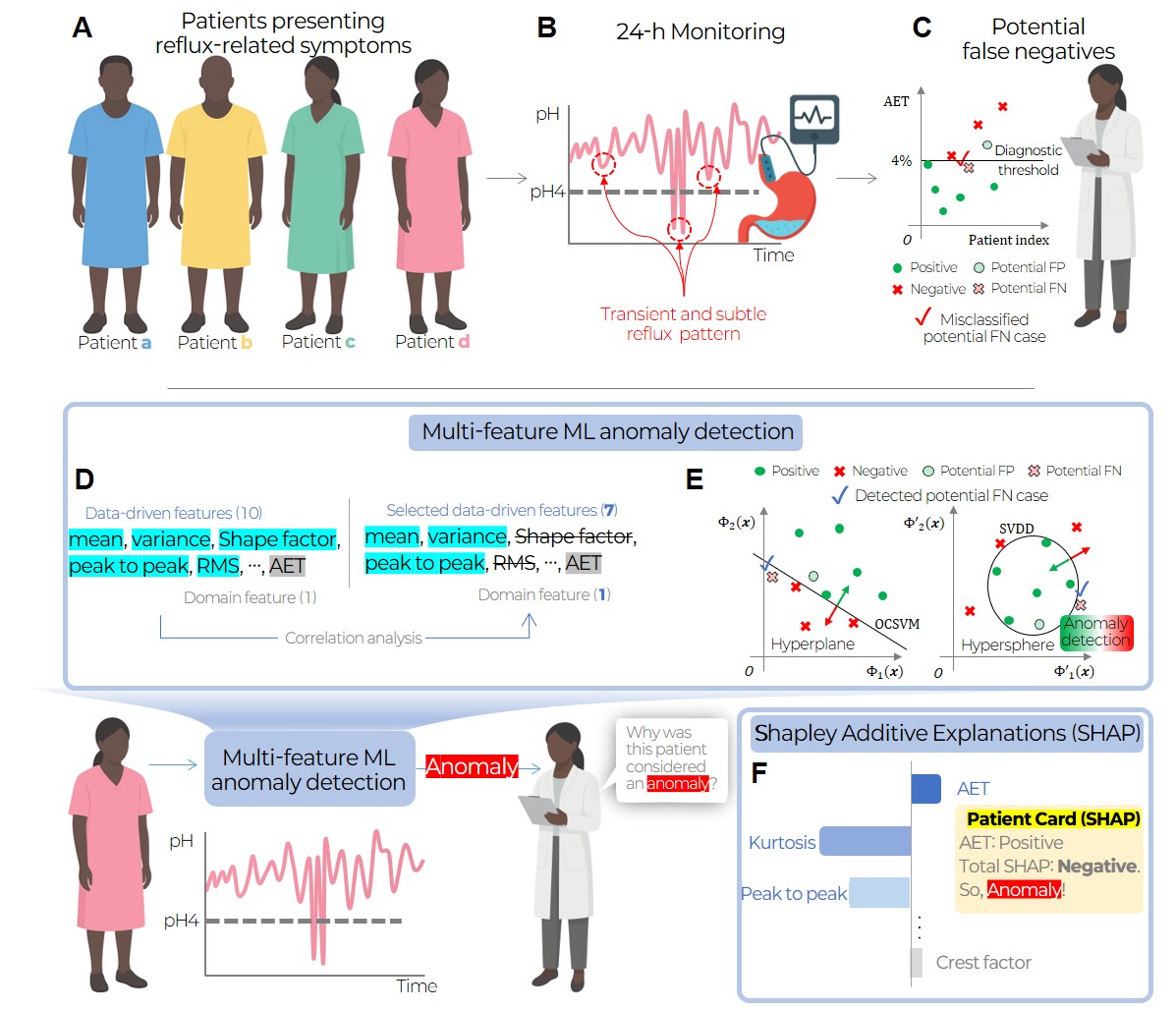
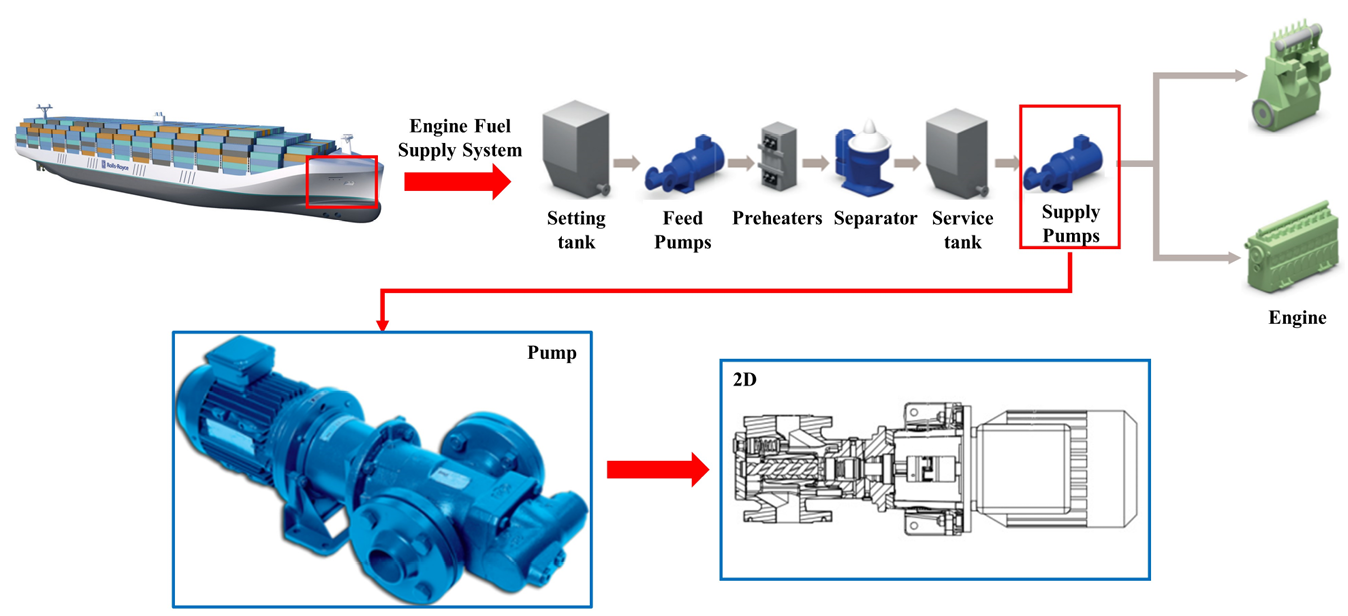
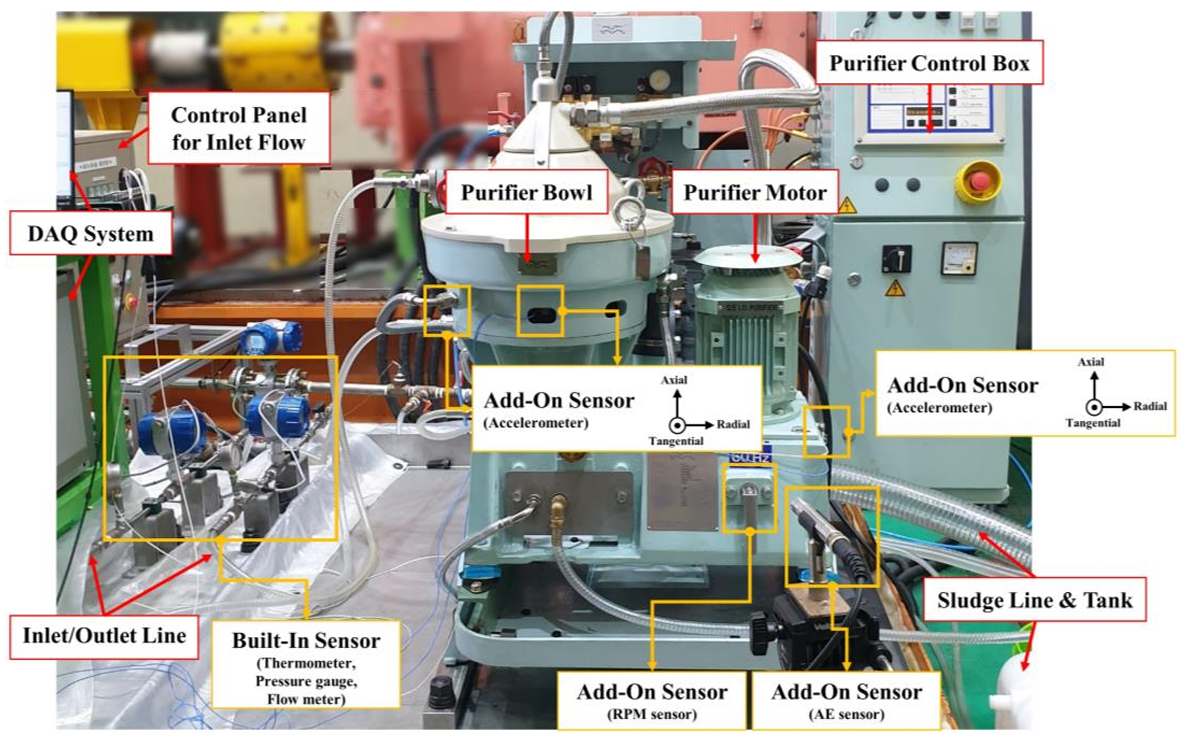
▼Ensuring the reliability of industrial systems, such as ship auxiliary equipment and biomedical devices, is crucial. My research involves applying signal processing (e.g., wavelet packet decomposition) and machine learning (e.g., CNNs, SVMs) to sensor data for fault diagnosis and condition-based maintenance. I have developed multi-feature anomaly detection frameworks and health indices to predict failures and assess degradation in real-time.